Beyond the Naked Eye: What Thermal Imaging Uncovers Beneath Your Foundation Before Disaster Strikes
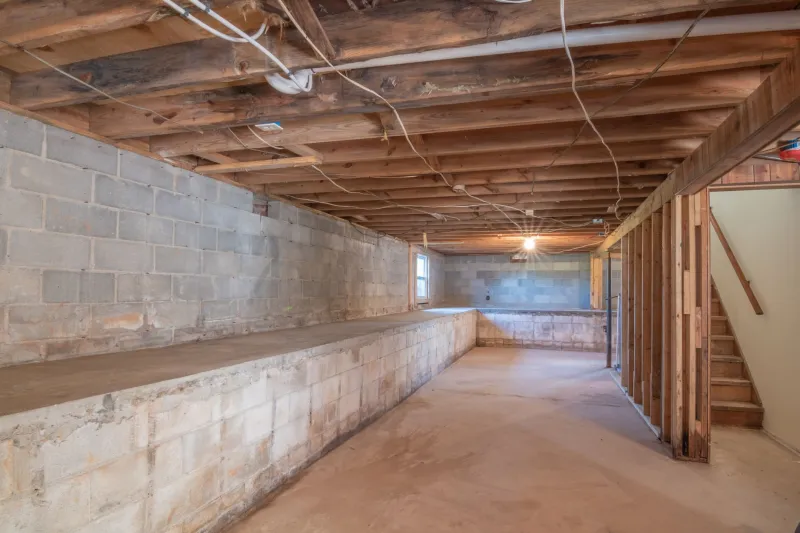
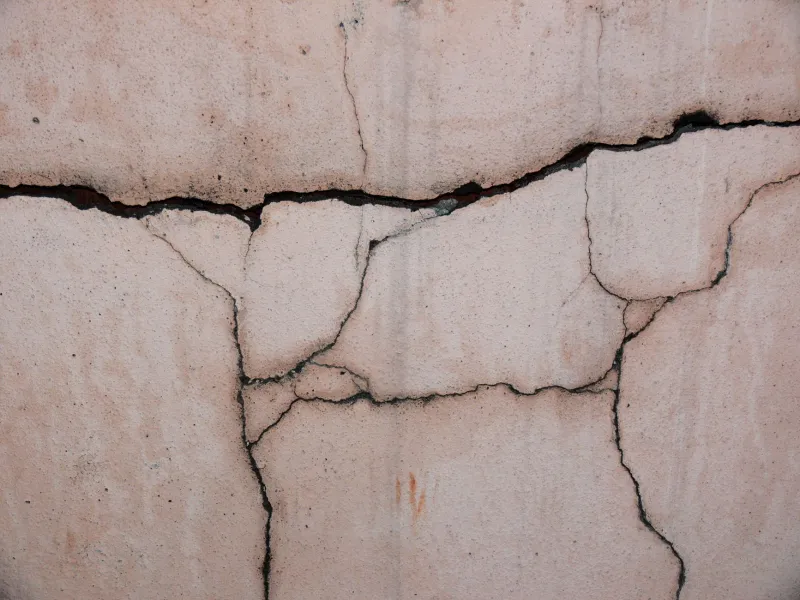
There is a particular frustration that homeowners experience when a foundation professional delivers a sobering repair estimate — not because the damage is unexpected, but because it had been quietly developing for years, entirely out of sight. A hairline crack in a basement wall or a slightly uneven floor can seem inconsequential until a full structural assessment reveals that water has been infiltrating a footing for the better part of a decade, or that a subsurface void has been slowly expanding beneath a load-bearing slab.
This is precisely the scenario that modern thermal imaging technology is designed to prevent.
At Willow Branch Stabilization, our assessments increasingly incorporate infrared thermography as a core diagnostic tool — not as a novelty, but as a reliable means of seeing what conventional visual inspections simply cannot. For homeowners who want to stay ahead of structural deterioration, understanding this technology is well worth the effort.
The Science Behind the Scan
Thermal imaging, also referred to as infrared thermography, operates on a straightforward physical principle: different materials absorb and release heat at different rates. When an infrared camera is directed at a wall, floor, or foundation surface, it captures a precise map of surface temperature variation — often measured in fractions of a degree — and translates those variations into a color-coded image.
In a structurally sound, dry foundation, temperature distribution tends to be relatively uniform. Anomalies appear when materials have been compromised. Moisture, for instance, retains heat differently than dry concrete or masonry. A section of a basement wall that has absorbed water will appear as a distinct thermal signature — cooler or warmer depending on ambient conditions and the phase of moisture evaporation — standing out clearly against the surrounding surface.
Subsurface voids present a different but equally detectable signature. Air pockets beneath a concrete slab conduct heat poorly compared to the surrounding soil and concrete. During a thermal scan, these voids register as irregular temperature zones that a trained technician can identify with a high degree of confidence.
Thermal bridging — a phenomenon in which heat moves more rapidly through certain structural elements, often indicating areas where insulation has been compromised or where materials have shifted — is another condition that infrared imaging reveals with remarkable clarity.
What Visual Inspections Miss
A standard foundation inspection, conducted by a qualified professional, remains a critical component of any structural assessment. An experienced inspector evaluates visible cracks, checks for differential settlement, examines drainage conditions, and assesses the condition of visible structural elements. This work has genuine value and should not be dismissed.
However, the limitations of visual inspection are inherent and unavoidable. A professional can only evaluate what can be seen. Moisture that has infiltrated a concrete block wall but has not yet caused visible efflorescence or staining is invisible to the naked eye. A void that has formed beneath an interior slab — perhaps due to soil erosion caused by a slow plumbing leak — leaves no surface evidence until the slab begins to deflect or crack. By the time these conditions become visible, they have typically been developing for months or years, and the associated remediation costs have grown accordingly.
Infrared thermography closes this gap. It does not replace the visual inspection; it extends it into dimensions that human senses alone cannot access.
Common Findings in Residential Foundation Surveys
When Willow Branch Stabilization technicians conduct thermal surveys as part of a comprehensive foundation assessment, several categories of findings appear with notable frequency in residential properties across the United States.
Moisture intrusion at wall-to-footing transitions. This is one of the most common and consequential findings. Water that enters at the base of a foundation wall — often due to inadequate exterior waterproofing or failed drainage systems — tends to migrate upward through capillary action. Thermal imaging identifies these moisture pathways well before visible damage emerges.
Slab voids beneath interior floors. In homes built on slab-on-grade foundations, subsurface voids are a persistent concern, particularly in regions where expansive soils or active plumbing systems create conditions for soil erosion. A thermal scan conducted during appropriate temperature differential conditions can locate these voids with precision, allowing targeted intervention rather than broad, expensive excavation.
Thermal anomalies at penetration points. Pipes, conduits, and utility penetrations through foundation walls are common entry points for both moisture and cold air infiltration. These areas frequently show distinct thermal signatures that warrant closer investigation.
Evidence of prior undisclosed repairs. In some cases, thermal imaging reveals patched areas or previous repair attempts that were not disclosed during a property transaction — information that is highly relevant to buyers conducting due diligence.
Timing and Conditions Matter
One aspect of thermal imaging that homeowners should understand is that the accuracy and reliability of a scan depends significantly on environmental conditions. The technology works best when there is a meaningful temperature differential between interior and exterior environments — a condition that occurs naturally during early morning hours in fall and winter months, or in summer when air conditioning creates a pronounced indoor-outdoor temperature contrast.
A thermal survey conducted on a mild spring afternoon with little temperature differential between inside and outside may yield inconclusive results. Reputable professionals schedule surveys with these conditions in mind and will advise homeowners on optimal timing for their specific region and season.
How to Request a Thermal Survey
For homeowners who are proactive about structural maintenance — or who are in the process of purchasing a property — requesting a thermal imaging survey as part of a foundation assessment is a straightforward matter of asking for it explicitly.
Not every foundation inspection automatically includes infrared thermography. Homeowners should ask whether the inspection firm has certified thermographers on staff, what equipment is used, and whether the survey will be conducted under appropriate temperature differential conditions. A detailed written report with annotated thermal images should be a standard deliverable.
For those purchasing a home, commissioning an independent thermal foundation survey — separate from the general home inspection — is a prudent step, particularly for properties over fifteen years old, those in regions with high clay content soils, or homes with known histories of basement water intrusion.
The Cost Calculus of Early Detection
The economic argument for thermal imaging is compelling. A comprehensive infrared foundation survey typically represents a modest investment relative to the cost of the repairs it may prevent. A void beneath a slab, caught early and addressed through targeted polyurethane foam injection, may cost a fraction of what full slab replacement would require after a collapse. Moisture intrusion identified before it has deteriorated a block wall's mortar joints can be remediated at far lower cost than full wall reconstruction.
More broadly, early detection preserves options. Homeowners who identify developing problems while they remain minor have the luxury of planning and budgeting for repairs on their own timeline. Those who discover problems only after visible symptoms appear are often facing urgent, expensive interventions with little room for deliberation.
Seeing the Whole Picture
At Willow Branch Stabilization, we believe that sound structural stewardship begins with complete information. A foundation does not fail overnight. The conditions that lead to serious structural compromise develop gradually, often invisibly, beneath surfaces that appear entirely normal to casual observation. Thermal imaging is among the most powerful tools available for closing the gap between what is visible and what is actually occurring within your home's structural system.
For homeowners who take the long view of property stewardship, incorporating thermal surveys into a regular foundation monitoring strategy is not an extravagance — it is a sound investment in the structural future of one of their most significant assets.