Spring Thaw, Shifting Ground: What Every Homeowner Needs to Know About Seasonal Foundation Movement
For most homeowners, spring signals renewal — blooming gardens, warmer evenings, and a welcome escape from winter's grip. Yet beneath the surface of your property, a far less pleasant transformation may be underway. The seasonal transition from frozen ground to thawed soil is one of the most physically disruptive events a residential foundation endures each year. At Willow Branch Stabilization, we observe a consistent surge in foundation-related calls every March through May — not because damage happens suddenly, but because spring is when the consequences of winter's work finally become visible.
Understanding why this occurs requires a brief examination of soil behavior, water dynamics, and the structural demands placed on residential foundations throughout the year.
The Science of Freeze-Thaw Cycles
Soil is not a static material. It is a complex, living medium composed of mineral particles, organic matter, water, and air — and it responds dynamically to temperature fluctuations. When temperatures drop below freezing, the water present within soil crystallizes and expands. This expansion, known as frost heave, can exert tremendous upward pressure on anything resting above it, including concrete slabs, pier systems, and perimeter footings.
The magnitude of this pressure is not trivial. Research from the American Society of Civil Engineers has documented frost heave forces exceeding 10,000 pounds per square foot under certain conditions. For a residential foundation, repeated cycles of this expansion and contraction — occurring dozens of times throughout a single winter in states like Minnesota, Ohio, Pennsylvania, and the Carolinas — create cumulative stress that weakens the structural integrity of the soil itself.
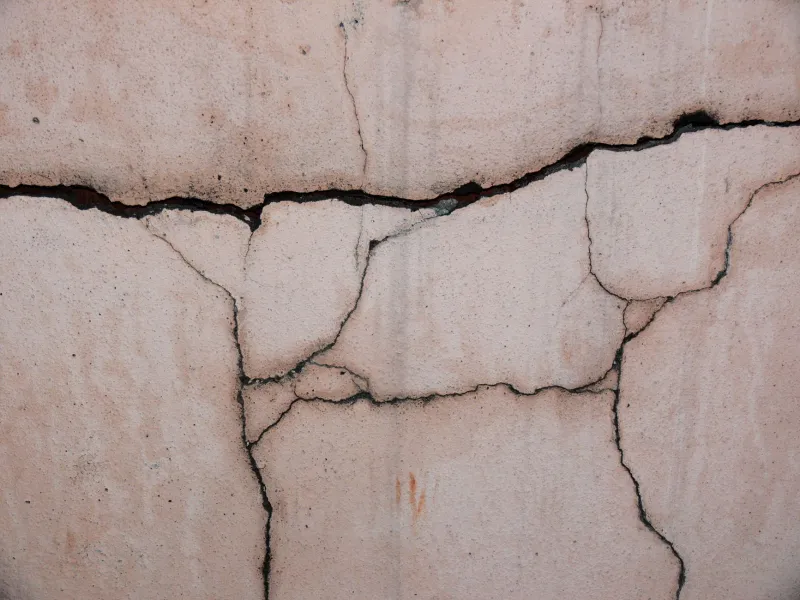
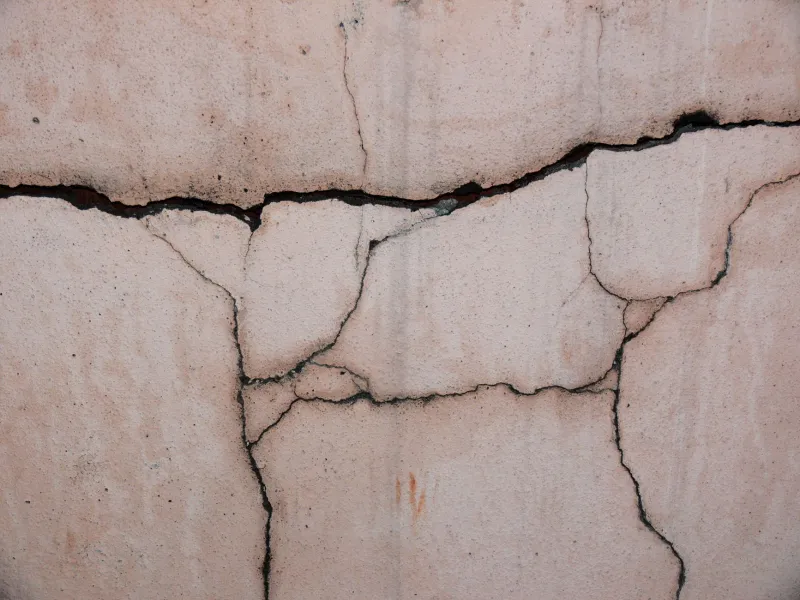
When the ground thaws in spring, that same expanded soil contracts, often unevenly. Areas with higher clay content retain moisture longer and settle more slowly than sandy or loamy zones. This differential settlement is the primary culprit behind the diagonal cracks, sticking doors, and sloping floors that homeowners discover in April and May.
Why Clay Soils Present a Particular Challenge
Not all soils respond identically to seasonal moisture changes, and homeowners in regions with expansive clay soils face compounded risks. Clay is notably hydrophilic — it absorbs water readily and swells significantly when saturated. During spring rains, clay-rich subsoils can expand laterally and vertically, pushing against foundation walls with considerable force.
In contrast, the dry periods of late summer cause these same clay soils to shrink and pull away from the foundation, creating voids that allow the structure to settle downward. This cyclical expansion and contraction — year after year — gradually displaces the soil's load-bearing capacity, leaving the foundation without the uniform support it requires.
Homeowners in the Southeast and Midwest are particularly familiar with this pattern. The dense clay belts running through states such as Georgia, Tennessee, Missouri, and Kansas make seasonal foundation movement a near-universal concern for residential property owners in those regions.
Recognizing the Warning Signs After Winter
Spring is an opportune time to conduct a thorough visual inspection of your home's foundation and interior spaces. Several early indicators suggest that seasonal soil movement has affected structural stability:
- Horizontal or diagonal cracks in basement walls or foundation blocks, particularly those wider than 1/8 inch or displaying displacement
- Doors and windows that suddenly bind, stick, or fail to latch properly, which may indicate frame distortion caused by foundation shifting
- Gaps forming between walls and ceilings, especially in corners or along exterior-facing walls
- Uneven or sloping floors, detectable by rolling a marble or using a carpenter's level
- Water intrusion in previously dry basement areas, which can indicate new cracks or joint separations caused by soil movement
- Bowing or bulging in basement walls, a potentially serious sign of lateral soil pressure
None of these signs should be dismissed as cosmetic. In the context of seasonal foundation movement, early-stage indicators frequently progress into structural concerns if the underlying soil instability is not addressed.
The Role of Drainage in Spring Foundation Health
One of the most overlooked contributors to spring foundation problems is inadequate drainage management. When snowmelt and spring rainfall cannot drain efficiently away from a structure, water pools near the foundation and saturates the adjacent soil. This saturation not only increases hydrostatic pressure against basement walls but also softens the bearing soil beneath footings, reducing its load-carrying capacity.
Effective grading — ensuring the ground slopes away from the foundation at a minimum rate of six inches over the first ten feet — is a fundamental protective measure. Gutters and downspouts should discharge water at least four to six feet from the foundation perimeter. French drains, sump pump systems, and interior drainage channels may be warranted for properties with chronic water management challenges.
At Willow Branch Stabilization, our spring assessments routinely include a drainage evaluation alongside structural inspection, because resolving water management issues is often inseparable from achieving long-term foundation stability.
Why Spring Inspections Are Time-Sensitive
There is a practical urgency to scheduling foundation evaluations in early spring. The window between thaw and the onset of summer heat represents the optimal period for assessing active soil conditions and identifying movement patterns before they stabilize into more entrenched structural problems. Soil that is actively settling or expanding is more straightforward to diagnose and often more responsive to stabilization interventions than soil that has been in a compromised state for multiple seasons.
Additionally, summer construction schedules fill quickly. Homeowners who delay spring inspections frequently find themselves waiting weeks or months for repair crews — during which time minor issues may escalate significantly.
Foundation professionals such as those at Willow Branch Stabilization can deploy a range of diagnostic tools during spring assessments, including helical pier load testing, soil borings, and elevation surveys, to determine the nature and extent of any seasonal displacement.
Building a Seasonal Maintenance Mindset
The most resilient residential foundations belong to homeowners who treat structural maintenance as a year-round discipline rather than a crisis response. Monitoring your home's foundation annually — particularly in the weeks following the final frost — allows for the early detection of developing problems and the implementation of targeted interventions before repair costs escalate.
Willow Branch Stabilization encourages homeowners to document their foundation's condition with photographs each spring, noting any new cracks, changes in existing cracks, or shifts in door and window alignment. This longitudinal record becomes invaluable when working with structural engineers to assess whether observed changes reflect active movement or historical, stabilized damage.
The ground beneath your home is always in motion — subtly, seasonally, and sometimes significantly. The question is not whether your soil will shift, but whether you will be positioned to respond before that movement becomes a structural liability. Spring offers that opportunity. We encourage you not to let it pass without a professional evaluation.