Water's Quiet War: How Drainage Failures Are Undermining Your Foundation From Below
The Enemy You Cannot See
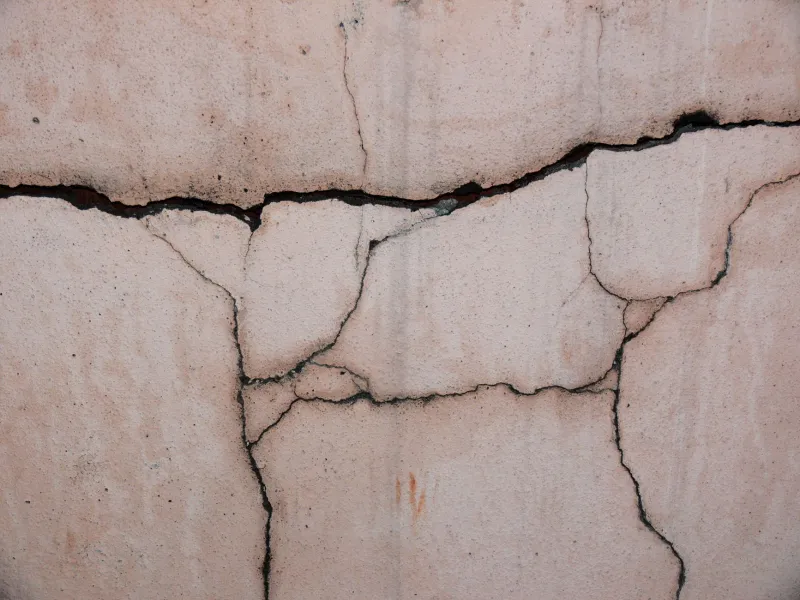
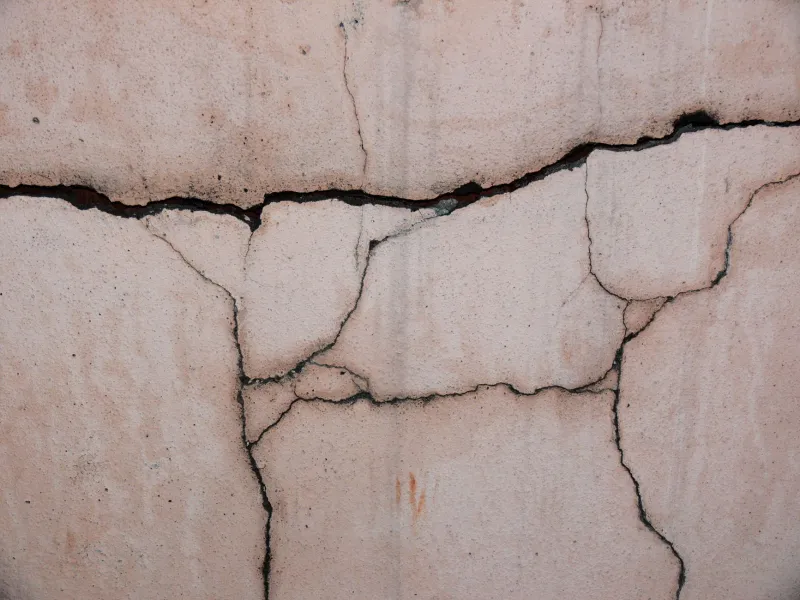
Foundation damage rarely announces itself dramatically. There is no single catastrophic moment when a slab cracks or a basement wall begins to bow inward. Instead, the process unfolds over months and years, driven largely by a force most property owners take for granted: water. Specifically, water that has nowhere appropriate to go.
When drainage systems — whether natural grading, gutters, downspouts, or subsurface channels — fail to direct water away from a structure efficiently, that moisture does not simply evaporate. It infiltrates the soil surrounding and beneath your foundation, triggering a chain of structural consequences that compound quietly until repair costs become impossible to ignore.
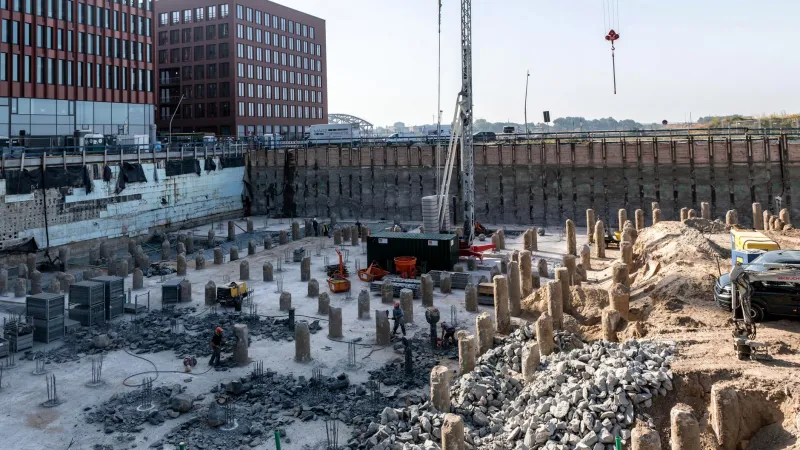
At Willow Branch Stabilization, we have assessed hundreds of residential and commercial properties across the United States where the root cause of significant foundation distress traced directly back to drainage deficiencies that could have been corrected for a fraction of the eventual repair cost.
How Water Destabilizes Soil
To understand why drainage matters so profoundly, it helps to understand what happens to soil when it is repeatedly saturated. Most foundations in the US rest on clay-rich or mixed-composition soils. These soil types are particularly vulnerable to a phenomenon called differential movement — the uneven expansion and contraction of soil as it absorbs and releases moisture.
When water accumulates around a foundation, expansive clay soils swell, exerting lateral pressure against basement walls and slab edges. As that same soil dries during warmer or drier periods, it contracts and pulls away from the foundation, creating voids beneath footings and slabs. Over time, this repeated cycle — often called the shrink-swell cycle — erodes the uniform load-bearing capacity of the soil, causing sections of the foundation to settle unevenly.
In sandy or loam-heavy soils, the mechanism is different but equally destructive. Rather than expanding, these soils allow water to carry fine particles away from beneath the foundation through a process known as soil erosion or piping. Each rainfall event gradually hollows out the substrate, leaving sections of the foundation unsupported.
Common Drainage Mistakes That Accelerate Failure
Several drainage errors appear with striking regularity during our structural assessments. Awareness of these patterns can help property owners intervene before minor issues escalate.
Negative Grading Around the Structure Perhaps the most widespread problem is improper yard grading. When the ground slopes toward a home rather than away from it, every rainfall becomes an event that channels water directly against the foundation perimeter. The International Residential Code recommends a minimum slope of six inches over the first ten feet from a structure — yet a surprising number of properties, particularly those where landscaping has been modified over the years, fail to meet this standard.
Disconnected or Undersized Gutters and Downspouts A standard residential roof can shed tens of thousands of gallons of water during a moderate rainstorm. When gutters are clogged, improperly pitched, or when downspouts discharge water within two to three feet of the foundation, that volume of water concentrates precisely where it causes the most structural harm. Downspout extensions and buried drain lines that carry water well beyond the foundation zone are inexpensive measures that yield substantial long-term protection.
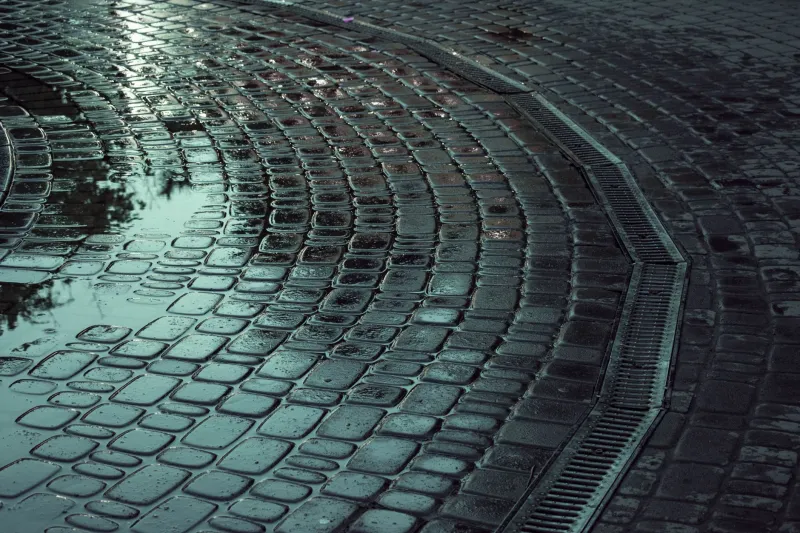
Hardscape That Traps Water Patios, driveways, and walkways installed flush against a foundation without adequate drainage channels can create impermeable surfaces that pool water against the structure. Concrete and pavers that have settled over time often develop low spots that funnel runoff toward, rather than away from, the building.
Inadequate or Absent Subsurface Drainage In areas with high water tables or heavy clay soils, surface grading alone is insufficient. French drains, perimeter drain tile systems, and sump pump installations serve as critical safety valves for subsurface moisture. Properties that lack these systems — or that have aging drain tile that has collapsed or become obstructed — are particularly vulnerable to hydrostatic pressure buildup against foundation walls.
Case Illustrations: When Drainage Neglect Becomes Structural Crisis
Consider a residential property in a mid-Atlantic suburban community where a homeowner noticed hairline cracks appearing in the drywall of the first-floor interior. The foundation had been inspected two years prior with no significant findings. What changed? A landscaping project had inadvertently redirected a shallow swale that previously carried stormwater away from the rear of the home. Over two rainy seasons, water began saturating the soil beneath the rear foundation footings. By the time our team assessed the property, one corner of the structure had settled nearly an inch and a half, requiring pier underpinning and regrading at a combined cost well exceeding what corrective grading alone would have required.
On the commercial side, a retail strip center in the Southeast experienced recurring interior slab cracking in two anchor tenant spaces. The property manager had attributed the damage to normal concrete shrinkage. A subsurface investigation revealed that the original perimeter drain tile, installed during construction in the 1980s, had collapsed along a significant section of the building's rear elevation. Decades of unmanaged subsurface water had voided the compacted fill beneath the interior slab, necessitating slab lifting, void filling, and drain tile replacement — a project that disrupted tenants and carried a substantial price tag that proper drainage maintenance would have avoided entirely.
Actionable Steps Property Owners Can Take Now
Addressing drainage vulnerabilities does not always require significant capital expenditure. A methodical assessment followed by targeted corrective measures can dramatically reduce structural risk.
Conduct a Post-Rain Walkthrough After a moderate to heavy rainfall, walk the perimeter of your property and note any areas where water pools, saturates the soil, or runs toward the structure. These observations are invaluable for prioritizing corrective work.
Inspect and Clean Gutters Seasonally Ensure gutters are free of debris and properly pitched toward downspouts. Confirm that downspout extensions or underground drain lines carry discharge at least five to ten feet from the foundation.
Evaluate and Correct Grading Work with a grading contractor or landscape professional to restore proper slope away from the structure. In cases where hardscape prevents grading corrections, channel drains or catch basins can redirect surface runoff effectively.
Invest in Subsurface Drainage Where Warranted For properties with persistent moisture intrusion, high water tables, or significant clay soil content, a French drain system or interior perimeter drainage solution may be appropriate. A qualified structural or geotechnical engineer can assess whether subsurface drainage is necessary for your specific site conditions.
Protecting the Ground Beneath Your Investment
Foundation integrity begins with the soil that supports it, and the condition of that soil is inseparable from how water is managed across your property. The relationship between drainage and structural stability is not a peripheral concern — it is foundational, in every sense of the word.
If you have observed pooling water, unusual soil settlement, or early signs of foundation movement on your property, a professional drainage and structural assessment is the most prudent next step. At Willow Branch Stabilization, our evaluations are designed to identify not just the visible symptoms, but the underlying hydrological conditions driving them — because lasting structural solutions must begin with solid, well-managed ground.