What Your Property Is Whispering: A Quarterly Guide to Reading Foundation Warning Signs Before They Become Emergencies
The Foundation Speaks Long Before It Breaks
Structural failure rarely happens overnight. In the vast majority of cases, a compromised foundation has been communicating its distress for months—sometimes years—through signals that are easy to dismiss as ordinary wear and tear. A door that sticks slightly in summer. A faint, almost imperceptible crack running along a baseboard. A concrete surface that feels subtly different underfoot than it once did.
At Willow Branch Stabilization, we have documented hundreds of cases where early, informed observation by a property owner could have reduced repair costs significantly. The goal of this guide is straightforward: to give you the vocabulary, the methodology, and the discipline to read what your structure is telling you—on your own schedule, every quarter.
This is not about replacing professional inspection. It is about becoming a more intelligent steward of your property.
The Visual Inventory: What to Look For and Where
Begin every quarterly walk-through at the exterior perimeter. Move slowly and deliberately, covering the full circumference of your structure before stepping inside.
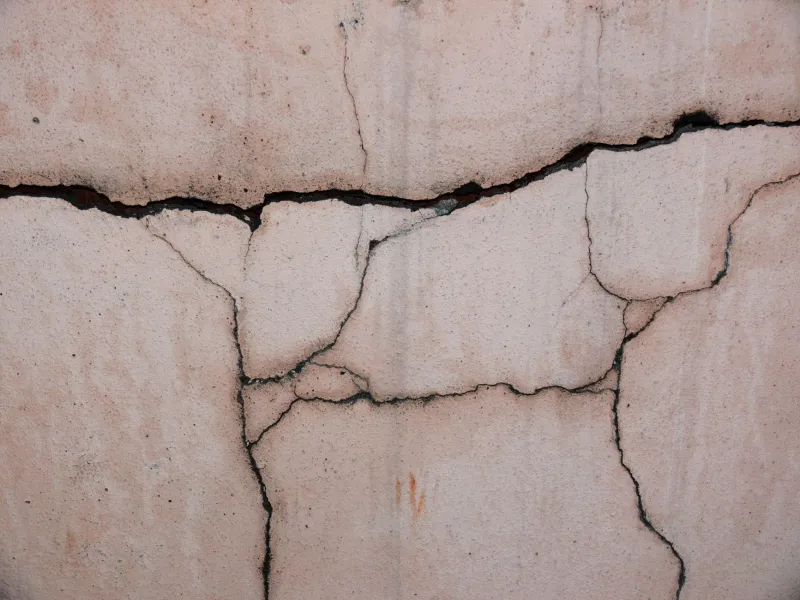
Cracks in concrete or masonry are the most commonly recognized warning sign, but not all cracks carry the same weight. Hairline cracks running vertically along poured concrete walls are generally low concern. However, horizontal cracks—particularly in block or brick walls—suggest lateral soil pressure and deserve immediate professional attention. Diagonal cracks radiating from the corners of windows and door frames are a hallmark of differential settlement, meaning one section of your foundation is moving at a different rate than another.
Document every crack you find with photographs taken from a consistent angle and distance each quarter. What matters most is not the crack itself, but whether it has grown.
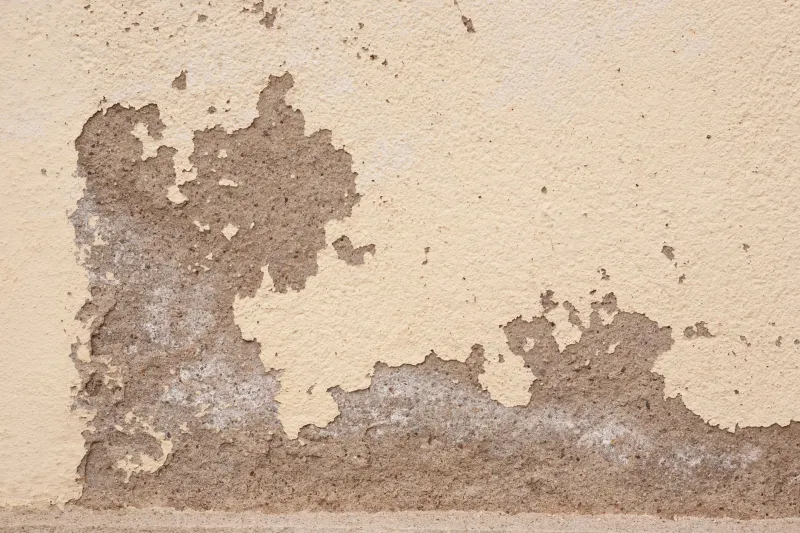
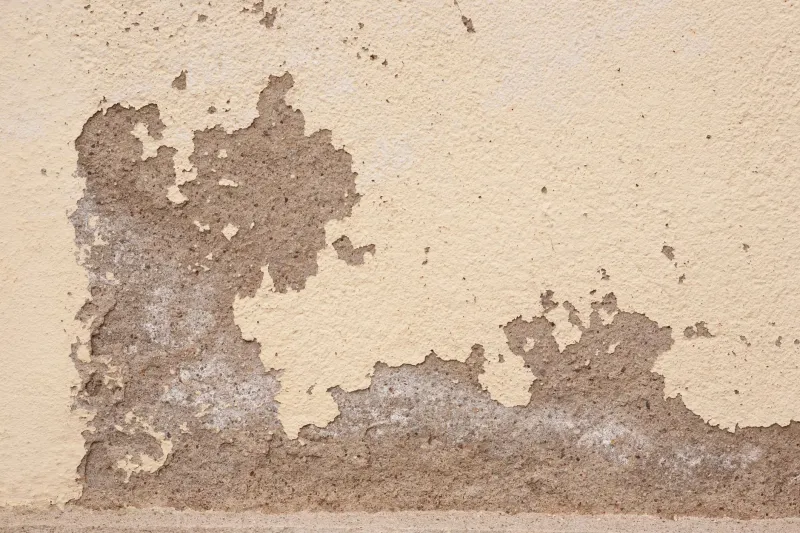
Concrete surface texture is an underappreciated diagnostic tool. Healthy, well-cured concrete has a consistent surface density. When you begin to notice a chalky, powdery residue on basement walls or slab surfaces—a condition known as efflorescence—moisture is migrating through the concrete under pressure. This is not merely cosmetic. It signals that water is finding pathways through your foundation material, which accelerates deterioration and can indicate compromised drainage or rising hydrostatic pressure.
Run your hand along foundation walls periodically. Spalling—the flaking or pitting of concrete surfaces—indicates that freeze-thaw cycling or embedded rebar corrosion is actively breaking down the material from within.
The Auditory Check: Listening to Your Structure
Few homeowners think to listen to their foundation, but sound is a legitimate diagnostic tool.
Knock on basement or crawl space walls with your knuckles. Solid, well-bonded concrete produces a dense, muted thud. A hollow or resonant sound in a section that previously felt solid may indicate delamination—where interior layers of concrete or block have separated from one another. This is particularly relevant in older homes where block foundations were common.
Pay attention to creaking or popping sounds during temperature transitions—early morning and late evening in spring and fall are the most revealing times. While some structural movement under thermal expansion is normal, persistent or localized sounds from the same area of a floor or wall system suggest that stress is concentrating in a specific zone.
If you have a pier and beam foundation, spend time in the crawl space with a flashlight and listen for sounds of wood movement under foot traffic. A shifting or rocking sensation underfoot—accompanied by sound—can indicate deteriorated piers, failed sill plates, or compromised beam connections.
The Alignment Test: Doors, Windows, and Floors as Structural Instruments
Your home's doors and windows are among the most sensitive indicators of foundation movement available to you. They require no special equipment and respond quickly to even minor shifts in the structural frame.
Open and close every interior and exterior door in your home as part of your quarterly routine. Note any that have begun to stick, drag along the floor, or fail to latch properly when they did not previously exhibit those behaviors. Pay particular attention to doors in the central zone of the home—these often reveal settlement occurring beneath the structure's core load-bearing points.
Windows that were previously easy to operate but now require force to open or close are exhibiting the same phenomenon: the frame around them has shifted out of square. Examine the corners of window frames for diagonal cracking in drywall or plaster. These cracks—often appearing at 45-degree angles from the corners—are a direct expression of racking stress in the wall system above a settling foundation.
For slab-on-grade homes, bring a simple carpenter's level to your quarterly inspection. Place it at multiple points across your floors, particularly in rooms near exterior walls and in areas where flooring transitions occur. A slope of more than one inch per eight feet of floor span warrants professional evaluation.
Building a Quarterly Foundation Awareness Practice
Knowledge without structure rarely produces results. The most effective approach is to formalize your inspections so that they become habitual rather than reactive.
Choose one weekend per quarter—ideally aligned with the season changes, since thermal and moisture cycles drive the majority of foundation movement in US climates. Walk the exterior perimeter first, then move to the basement or crawl space, then assess interior doors, windows, and floors. Photograph everything that raises a question, and keep a simple log—even a notes application on your phone—that records the date, location, and description of anything you observe.
This log serves two purposes. First, it allows you to track the progression of any issue over time, which is invaluable information for a structural engineer or foundation specialist when they arrive. Second, it creates a documented record of your property's condition history, which has tangible value during real estate transactions and insurance evaluations.
If you manage commercial properties, assign this responsibility formally within your facilities team and require photographic documentation to be retained in your property records.
When Observation Becomes Urgency
Certain conditions should prompt an immediate call to a foundation professional rather than waiting for the next scheduled inspection cycle.
These include: any new horizontal crack in a basement or retaining wall; a door or window that has shifted so severely it can no longer be closed; visible separation between a wall and the ceiling or floor; water intrusion that was not previously present; or a noticeable change in floor slope that developed over a short period.
Early detection is not about alarm—it is about informed, proportionate response. The homeowners and property managers who fare best in foundation repair situations are those who catch problems while they are still problems, not after they have become crises.
At Willow Branch Stabilization, we believe that structural intelligence is a skill every property owner can develop. The foundation beneath your building is not silent. With the right habits and the right knowledge, you can learn to hear exactly what it is saying—and act before the cost of listening becomes far greater than it needed to be.