Proactive Ground Up: Why Smart Commercial Property Owners Are Rethinking Soil Stabilization as a Business Strategy
In commercial real estate, the conversation about competitive advantage typically gravitates toward location, amenity packages, lease flexibility, and aesthetic renovation. Rarely does it descend — literally — to the level of the soil beneath the building. Yet for a growing segment of forward-thinking property managers and institutional investors across the United States, soil stabilization has emerged as one of the most strategically significant investments a commercial property owner can make. The rationale is grounded not in sentiment, but in data: buildings that sit on properly stabilized, well-characterized soil perform better financially, carry lower long-term maintenance burdens, and present a more defensible asset to insurers, lenders, and tenants alike.
At Willow Branch Stabilization, we work extensively with commercial clients ranging from neighborhood retail centers to multi-story mixed-use developments, and the shift in how sophisticated operators approach subsurface risk has been notable. This piece examines the business case for proactive soil assessment and stabilization — and why ignoring it may represent a more significant competitive liability than most property managers recognize.
The Hidden Variable in Commercial Building Performance
Commercial structures place demands on the ground beneath them that far exceed those of residential construction. A multi-tenant office building, a distribution warehouse, a medical facility, or a retail anchor store may impose loads of hundreds of thousands of pounds on the bearing soil below its footings. The design assumptions built into the original construction — typically based on geotechnical reports prepared at the time of development — reflect the soil conditions that existed when the building was new.
Soil, however, is not a fixed medium. Over years and decades, subsurface conditions change. Groundwater tables fluctuate in response to regional drought cycles, upstream development, or utility infrastructure changes. Organic material in fill soils decomposes, creating voids. Clay-rich subsoils expand and contract with seasonal moisture variation. Adjacent construction activity — particularly the vibration associated with heavy equipment or deep foundation work nearby — can disrupt the density and load-bearing capacity of previously stable strata.
For commercial properties that were developed without deep geotechnical investigation, or that have been in service for twenty or more years without subsurface reassessment, the gap between original design assumptions and current soil conditions may be substantial. This gap represents risk — financial, structural, and operational.
Insurance Implications: What Carriers Are Watching
The commercial property insurance market has grown increasingly attentive to structural risk in recent years. Underwriters at major carriers have expanded their due diligence requirements, and properties with documented foundation movement or soil instability face elevated premiums, higher deductibles, or in some cases, coverage exclusions for earth movement-related damage.
Conversely, properties that can demonstrate proactive geotechnical assessment and documented soil stabilization work are increasingly positioned favorably in underwriting conversations. Some carriers have begun treating verified stabilization records as a risk mitigation factor that warrants premium adjustments — a development that transforms soil stabilization from a pure cost center into a partially recoverable investment.
For commercial property owners managing portfolios of multiple assets, the aggregate premium impact of proactive ground management can be meaningful. We recommend that property managers engage their insurance brokers in a direct conversation about how documented subsurface improvement work is treated in their current policy structure.
Tenant Retention and the Structural Experience
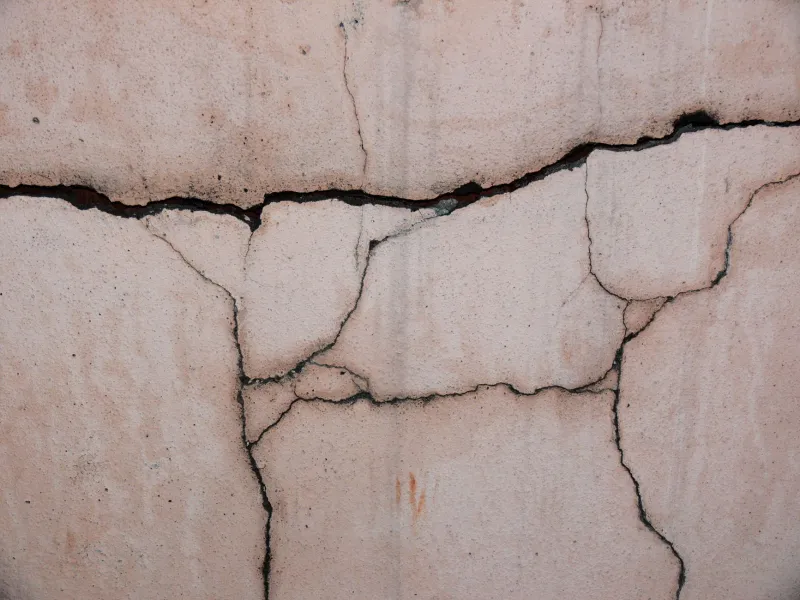
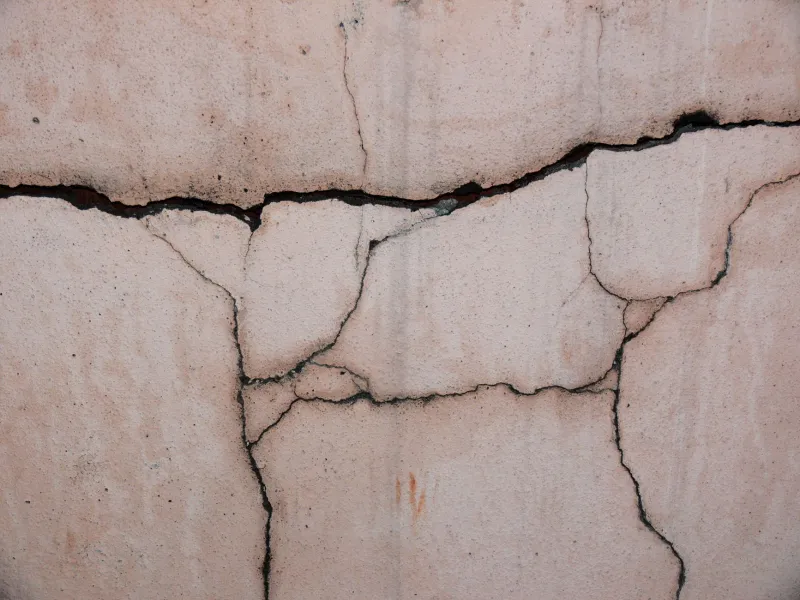
This may appear to be a subtle connection, but it is one that experienced commercial landlords recognize readily: tenants notice when buildings do not perform as expected. Sticking doors, cracked interior walls, uneven floors, water intrusion in below-grade spaces, and HVAC systems struggling to maintain efficiency in a settling structure — these are the daily friction points that erode tenant satisfaction and, ultimately, lease renewal probability.
In competitive commercial markets such as those in Atlanta, Dallas, Denver, and the greater Mid-Atlantic corridor, tenants have options. A Class B office building or retail strip center that presents recurring maintenance issues — particularly issues that appear structural in nature — will consistently lose ground to properties that are demonstrably well-maintained. The connection between subsurface integrity and above-grade building performance is direct, even if it is not always immediately visible.
Proactive soil stabilization work — whether through compaction grouting, chemical soil treatment, helical pier underpinning, or driven pile augmentation — addresses the root cause of these performance issues rather than their surface symptoms. Tenants who occupy buildings that perform consistently, without the disruptions associated with settling foundations or water-compromised lower levels, are measurably more likely to renew leases and recommend the property to prospective occupants.
The Modern Development Landscape: New Risks on Challenging Sites
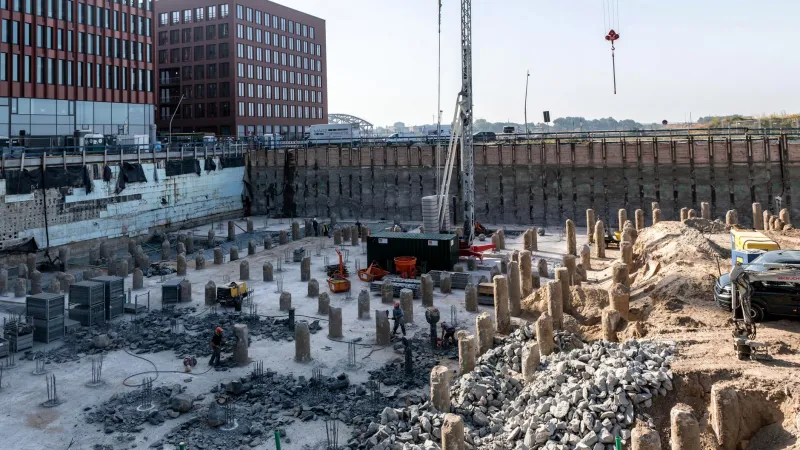
As premium commercial real estate sites in established urban cores become increasingly scarce, developers are turning to previously underutilized land — former industrial parcels, filled wetlands, sites adjacent to rail corridors, and infill locations with complex subsurface histories. These sites frequently present geotechnical challenges that require deliberate stabilization strategies before construction can responsibly proceed.
Fill soils of unknown composition, hydric soils with low bearing capacity, contamination-affected ground, and sites with shallow groundwater all demand specialized pre-construction soil treatment. Chemical stabilization using lime or cement admixtures can improve the load-bearing characteristics of weak native soils. Dynamic compaction can densify loose fill materials. Stone column installation can reinforce soft ground to support structural loads that would otherwise require deep foundation systems.
For developers and property owners who invest in these stabilization measures during the development phase, the payoff is a building that begins its operational life on a predictable, well-characterized foundation. For those who defer or minimize pre-construction geotechnical work in the interest of schedule or budget, the risks accumulate silently — often surfacing years later in the form of differential settlement, drainage failures, and structural remediation requirements that dwarf the original savings.
A Competitive Differentiator in the Investment Market
Institutional investors evaluating commercial property acquisitions have become increasingly sophisticated in their due diligence processes. Environmental Phase I and Phase II assessments are standard. Structural reports are routinely commissioned. But geotechnical evaluation — a detailed assessment of the soil conditions and their relationship to the existing foundation system — remains inconsistently applied in acquisition due diligence.
Property owners who maintain current geotechnical records, document stabilization work, and can present a clear subsurface history to prospective buyers or lenders occupy a genuinely differentiated position in the transaction market. This documentation reduces perceived risk, supports stronger appraisal outcomes, and can accelerate the financing process by providing lenders with confidence in the structural integrity of the collateral asset.
In a market environment where capital allocation decisions are made with increasing scrutiny, the ability to demonstrate comprehensive asset stewardship — including the ground beneath the building — is a tangible competitive advantage.
What Proactive Soil Management Looks Like in Practice
For commercial property owners considering a more deliberate approach to subsurface risk management, the process begins with a professional geotechnical assessment. This typically involves soil borings at strategic locations across the property, laboratory analysis of recovered samples, and a report characterizing the bearing capacity, moisture sensitivity, and settlement potential of the subsurface strata.
From that baseline, a qualified stabilization engineer can identify whether current conditions are consistent with the building's structural demands, and recommend targeted interventions where they are warranted. These interventions may range from localized grouting to address voiding beneath slabs, to comprehensive underpinning programs for buildings experiencing active differential settlement.
At Willow Branch Stabilization, we approach commercial engagements as long-term partnerships. Our goal is not simply to resolve the presenting problem, but to equip property owners with the subsurface knowledge they need to make informed decisions about their assets for years to come. Solid ground is not a given — but with the right expertise and the right strategy, it is entirely achievable.